THE SOCIAL RECKONING
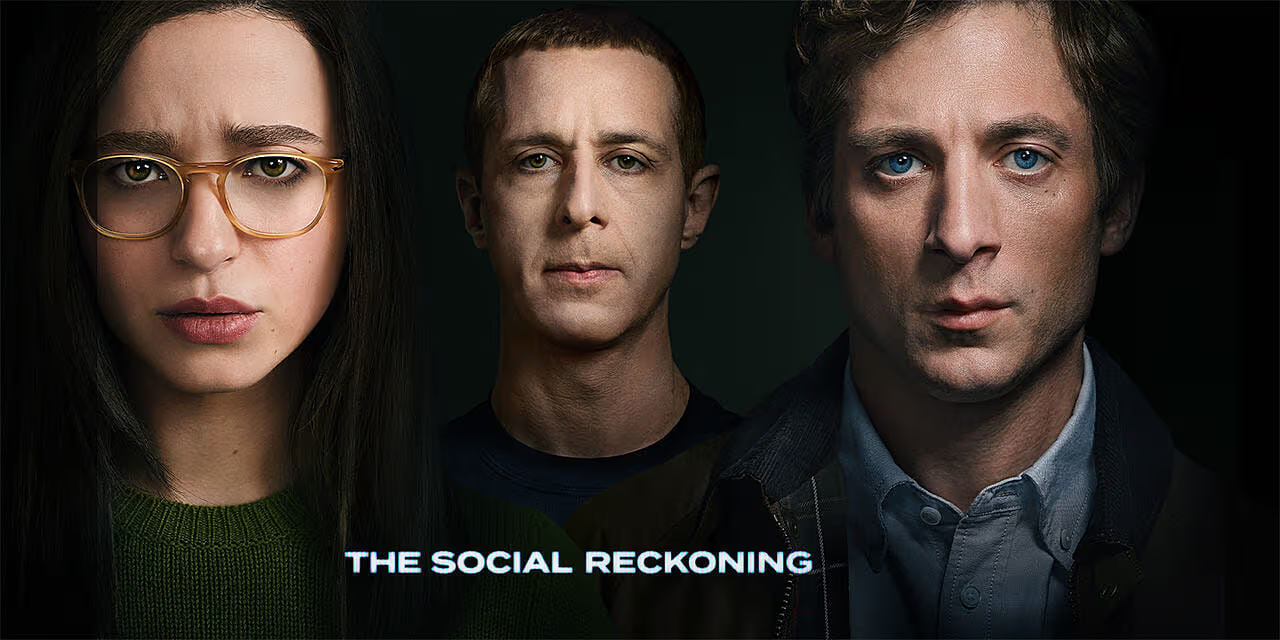
No one will ever return to 2020 (probably for the best), but crises are rich in stories, and one director after another turns to times that have already cooled in our memory for new ideas. Following last year’s Eddington, a screen adaptation of what was then still Twitter, Aaron Sorkin is making a film about what was then still Facebook. More precisely — and this is the crucial difference between The Social Reckoning and The Social Network — he is adapting a set of Wall Street Journal articles that shake the skeletons out of Mark Zuckerberg’s closet. To keep an unprepared viewer from running out of the cinema in fear of the approaching cloud of technical terms, the protagonist, technologically illiterate journalist Jeff Horwitz, warns: “this investigation isn’t about tech, it’s about politics”. The viewer breathes a sigh of relief: everyone understands politics, after all.
Helping both the investigation and the plot along is a future whistleblower, for now one Facebook employee among thousands, Frances (Mikey Madison). How many engineers does it take to hold a megacorporation to account? One is enough if they believe in the company’s mission — bringing people around the world closer together — and are ready to fight for it. The idea is a noble one, after all; it’s just that irresponsible people made irresponsible decisions, took things too far at the local level. That was the wrong Facebook, we need to try again. Just as certain of his ideals is free speech’s number one champion, Mark Zuckerberg.
In the director’s simplified, even naive interpretation, Zuckerberg pursues neither power nor profit, guided solely by his conviction that censorship is unacceptable. “The visionary deceives himself,” and Jeremy Strong’s character does seem to believe that he is making the world a better place, but unlimited power in his hands is just as dangerous as in the hands of any scoundrel. Given a time machine, many might have prevented Facebook from coming into existence, but who could see the future in 2004?
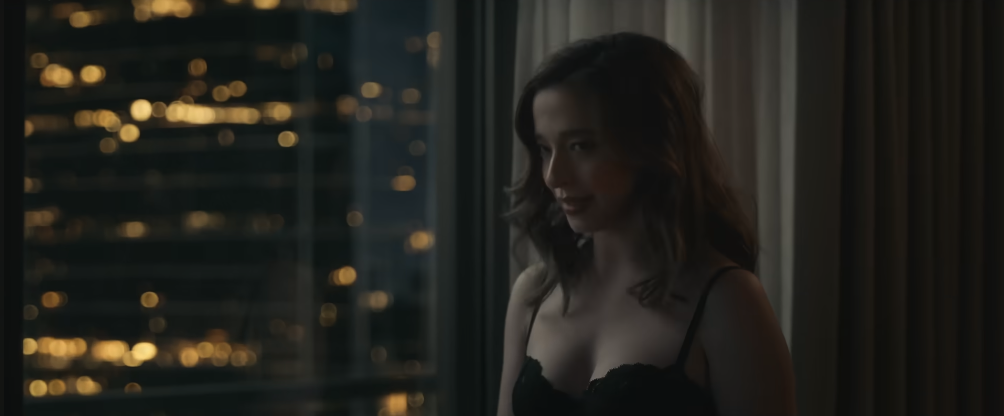
The bitter irony is that a film whose plot revolves around creating algorithms to increase engagement fails to keep its own audience engaged. Even the idea borrowed from The Big Short, of dressing the star of Anora in an evening gown, doesn’t help: she tirelessly explains the contents of stolen documents to a journalist who seems barely able to stop himself from saying “speak English”. This tiring retelling of the source material buries the quiet personal drama implied by shifting the focus from Zuckerberg to the duo of Jeff and Frances. They, in turn, are reduced to functional talking heads, repeating the same facts and figures over and over, like a schoolchild recounting to a teacher a chapter in which they have read only the passages in italics.
Almost simultaneously with the release of The Social Reckoning, Meta announced new VR glasses, but hardly anyone is likely to watch this film on them. Not because the company will ban it from playing on its devices, but because, ending its story with events from five years ago, it is simply born outdated. Like a messenger galloping across the country with news of a new train service, it cannot keep up with the pace of the times, and even the tiresome informational title cards closing the film never make it to the present day.
Remember to react and repost!