HOPE
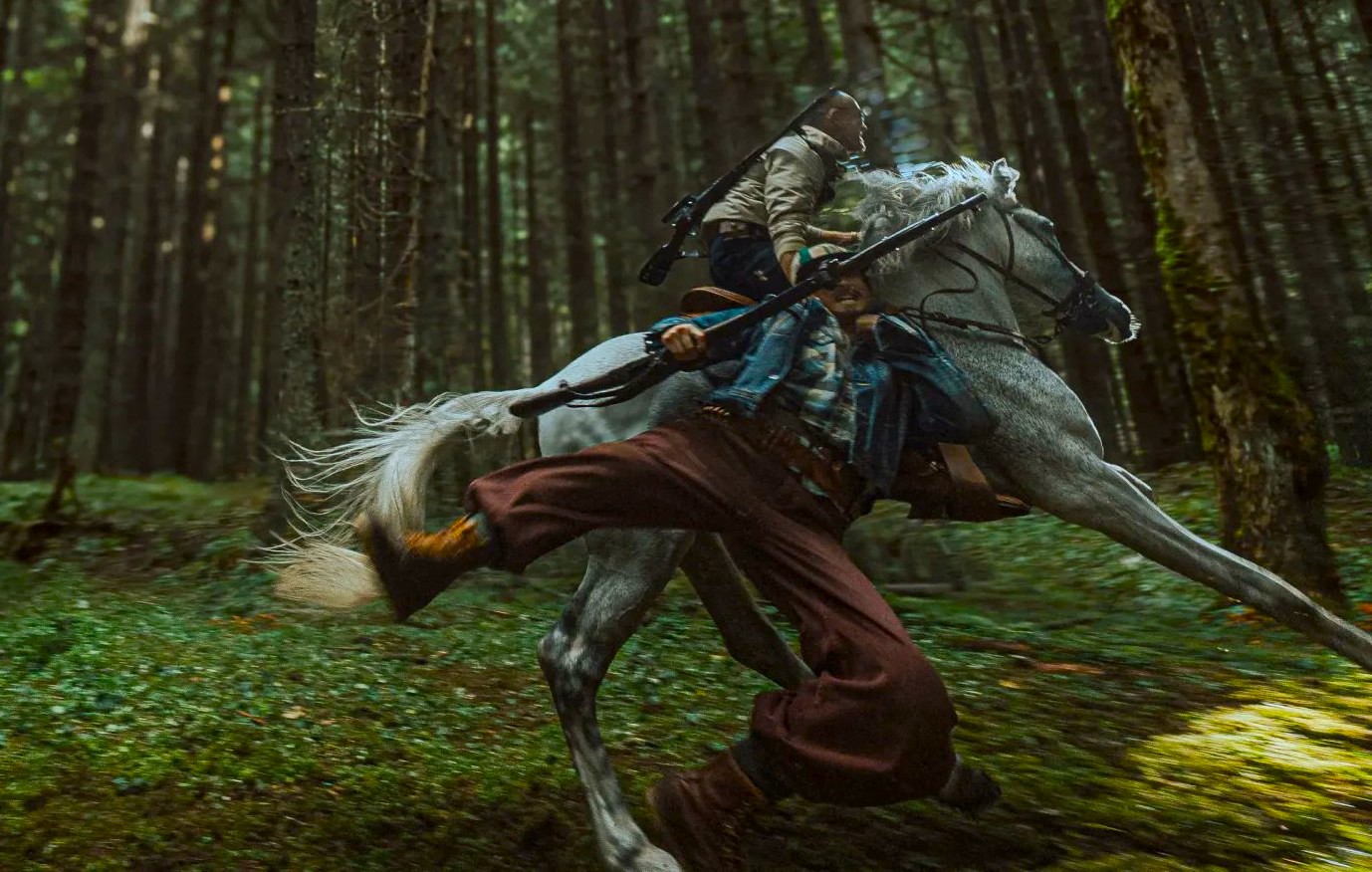
When I was 12, my father and I spent some weekends at the shopping mall. Alongside the cinema and the New York pizza from the food court, one essential stop was the arcades: racing games, Street Fighter, slot machines with sweets for prizes — everything you need for a happy childhood. Standing out was a Sega machine shaped like a two-seater jeep, racing vroom-vroom through all sorts of locations while the players go bang-bang at giant spiders and frogs, piranhas, sharks, ghosts, aliens. The primal thrill of the chase, the fear of unbeatable monsters and the sheer delight in their own coolness gave equal joy to two boys with a thirty-year age gap. This is what Hope feels like.
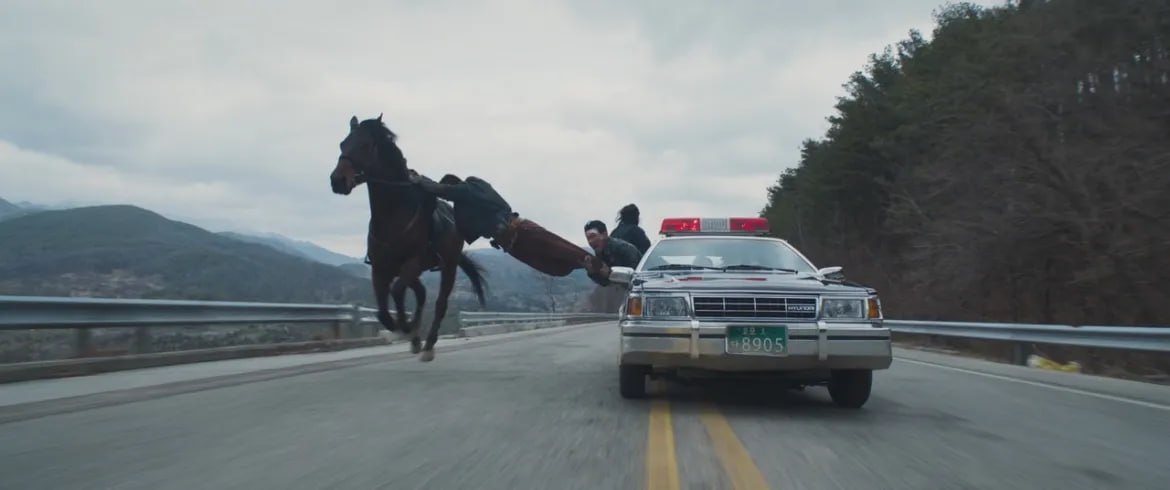
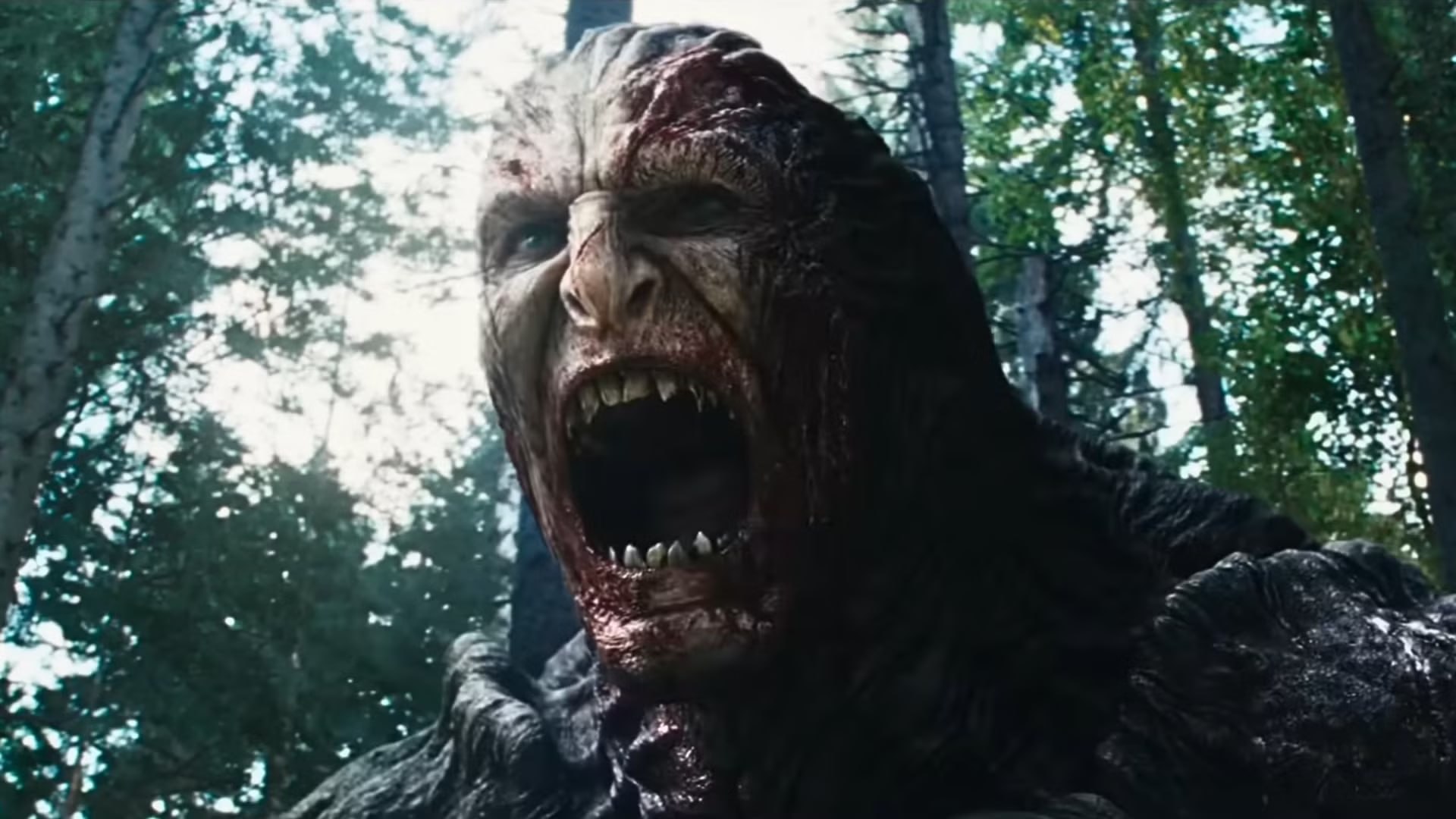
Aliens arrive on Earth and, as we later discover, not without reason, attack a small South Korean town whose residents will stubbornly fight off the invasion, led by the local sheriff and his second cousin. This simple plot holds together a series of large-scale, absorbing, if not always original, action scenes filled with impressive practical effects and choreography, tastefully mixed with distinctive Korean humour. Only the visual effects fall short of the overall standard: the monsters look ridiculous, and their first appearance is so unexpected that it provokes hysterical laughter. Yet however unintentional, this works in the film’s favour, toning down the grandiosity and bringing the audience together through the emerging layer of cringe.
The director himself explains with complete honesty: “we simply didn’t have enough time or money”. The film is equally honest with its audience. Full of narrative and visual humour, it doesn’t take itself for a serious epic. Instead of the heroism typical of a Hollywood action film, the protagonists seem awkward and helpless. For practically the entire film they drive, walk, ride horses, creep, run after or away from, but by and large none of that means anything: their resistance is in vain; in this story they are doomed to remain very active, but still spectators. “I feel strange, lost,” says the sheriff, running from the collapsing sky after two and a half hours of screen time spent risking his life in an unequal fight against the alien — like a little mouse that managed to churn the butter, only to find itself at the bottom of a well instead of a bucket.
Na Hong-jin’s divisive, uneven, risky film feels like a breath of fresh air among the uniform, polished films made according to film-school textbooks, studio manuals and streaming-platform formulas. Cinema’s fear of experimentation is hardly a new problem, and yet from time to time we need a reminder that without dreamers and adventurers, cinema is doomed to extinction. This year that reminder came from Hope – bursting into the world’s leading film festival on a stallion.